Oktoberfest Blumenau
Oktoberfest Blumenau
The world's second largest Oktoberfest — beer, polka and German culture deep in the Brazilian south
In 1850, a German pharmacist named Hermann Bruno Otto Blumenau founded a colony in the subtropical valleys of what is now Santa Catarina, southern Brazil. He and his fellow German immigrants brought with them their language, architecture, food traditions and festivals — and those traditions, remarkably, have survived and flourished for over 170 years. Today, Blumenau is home to the world's second largest Oktoberfest, a celebration that draws over a million visitors each October.
The first Blumenau Oktoberfest took place in 1984 — not as a planned tourist attraction, but as a gesture of resilience. That year, the city had been devastated by catastrophic floods that killed 49 people and left thousands homeless. City leaders organised a small folk festival to lift spirits and restart the economy. The response was overwhelming. What began with 500,000 attendees became an internationally recognised event within a decade, now lasting 18 days and drawing visitors from across Brazil and the world.
The festival grounds in central Blumenau transform into a Bavarian village: massive tents fill with the sounds of accordion, brass bands and the rhythmic stomping of schuhplattler dancers. Traditional German costumes — dirndls for women, lederhosen for men — are worn not as novelty but as genuine expressions of heritage. Over 700,000 litres of beer flow during the festival, served in one-litre steins. Brazilian craft breweries and traditional German styles compete for the attention of enthusiastic crowds.
The region around Blumenau — known as the Vale Europeu (European Valley) — extends the cultural experience beyond the festival itself. Towns like Pomerode, considered the most German city in Brazil, Brusque and Joinville preserve a living German heritage: half-timbered architecture, Lutheran churches, dialect speakers and German bakeries. The landscape of rolling hills, rivers and European-style farms offers a jarring and beautiful contrast to the tropical Brazil most visitors imagine.
Blumenau today is a modern, prosperous city of 360,000 people, celebrated for its quality of life, craft beer culture and the textile and technology industries that its German-descended population helped build. The Oktoberfest coexists with a thriving year-round craft beer scene — Blumenau is often called the capital of Brazilian craft beer. But beneath the economic success, what Blumenau preserves most carefully is a sense of identity: the particular pride of a community that built something extraordinary in the Brazilian south.
Did You Know?
- ✓Blumenau Oktoberfest is the second largest in the world — only Munich's original surpasses it in attendance
- ✓The festival was born in 1984 as a recovery effort after devastating floods killed 49 people in Blumenau
- ✓Pomerode, 30 km from Blumenau, is considered the most German city in Brazil — many residents still speak German as a first language
- ✓Over 700,000 litres of beer are consumed during the 18-day festival
- ✓Blumenau was founded in 1850 by German immigrants — today over 60% of residents claim German ancestry
- ✓The Vale Europeu around Blumenau includes towns with half-timbered architecture, German-language schools and century-old breweries
Explore on the Map
Open the Interactive Brazil Map →Featured Videos
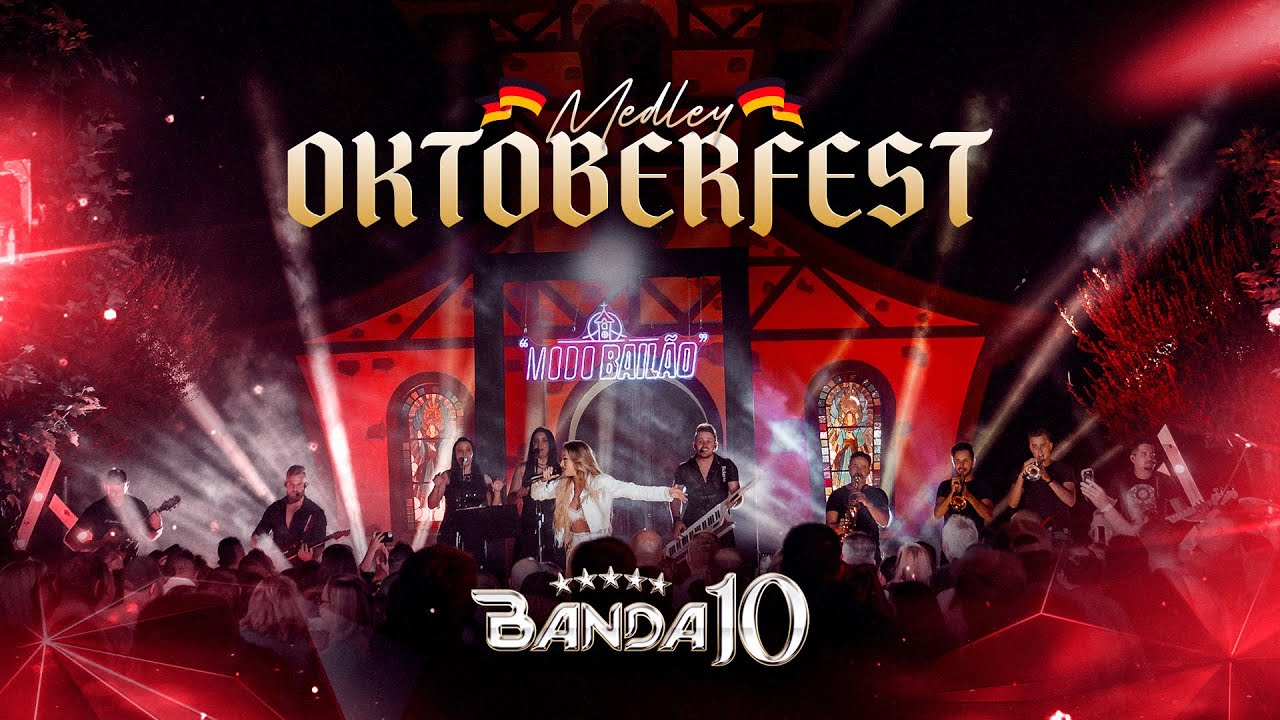
BANDA 10 - MEDLEY OKTOBERFEST | DVD MODO BAILÃO
1.9M views
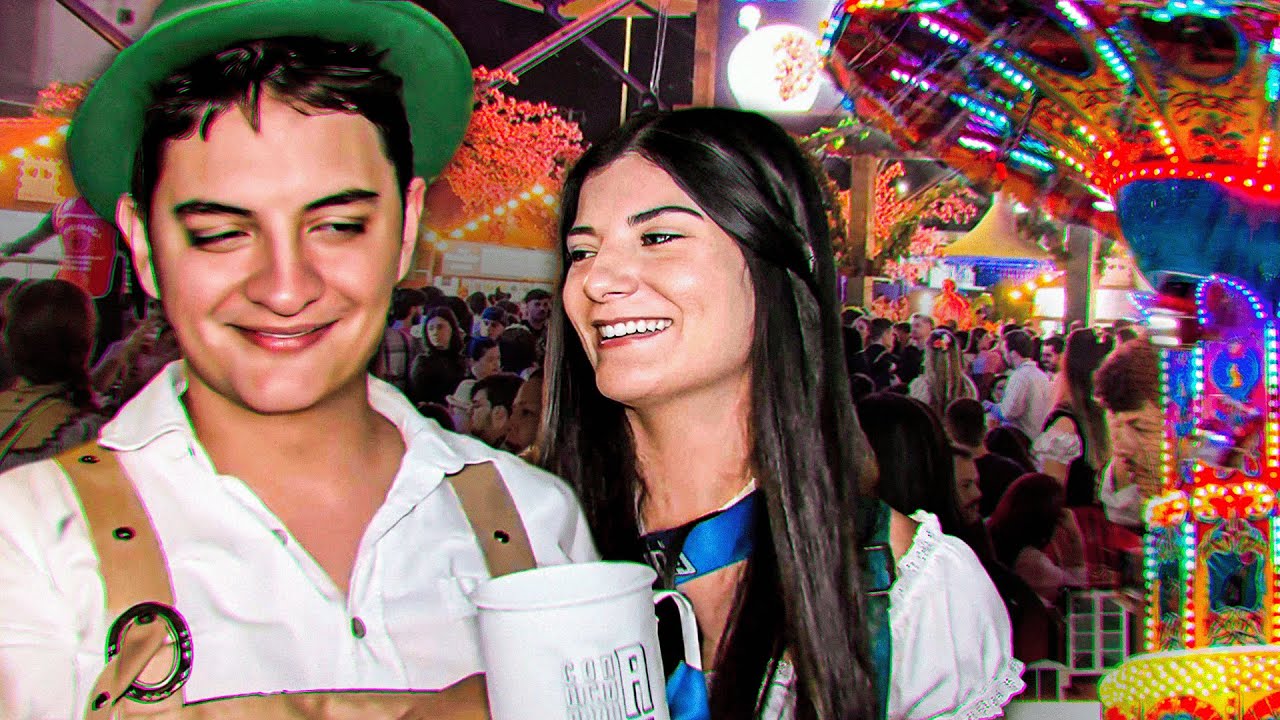
FUI NA FESTA QUE SÓ TEM LOIRA DE OLHOS AZUIS - OKTOBERFEST 2024
627.3K views
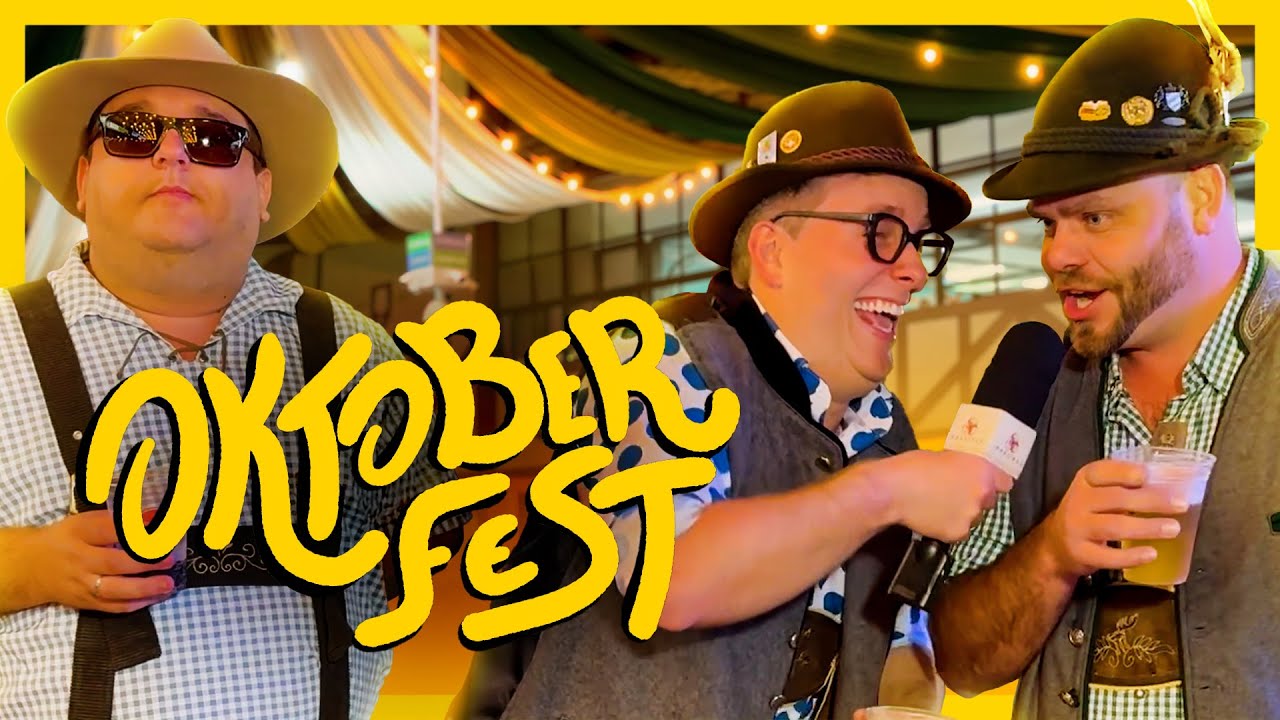
OKTOBERFEST BLUMENAU 2025 | Novidades da 40ª edição (Indavírus, Lauro Antigo e Alberto Mecânico
619.4K views
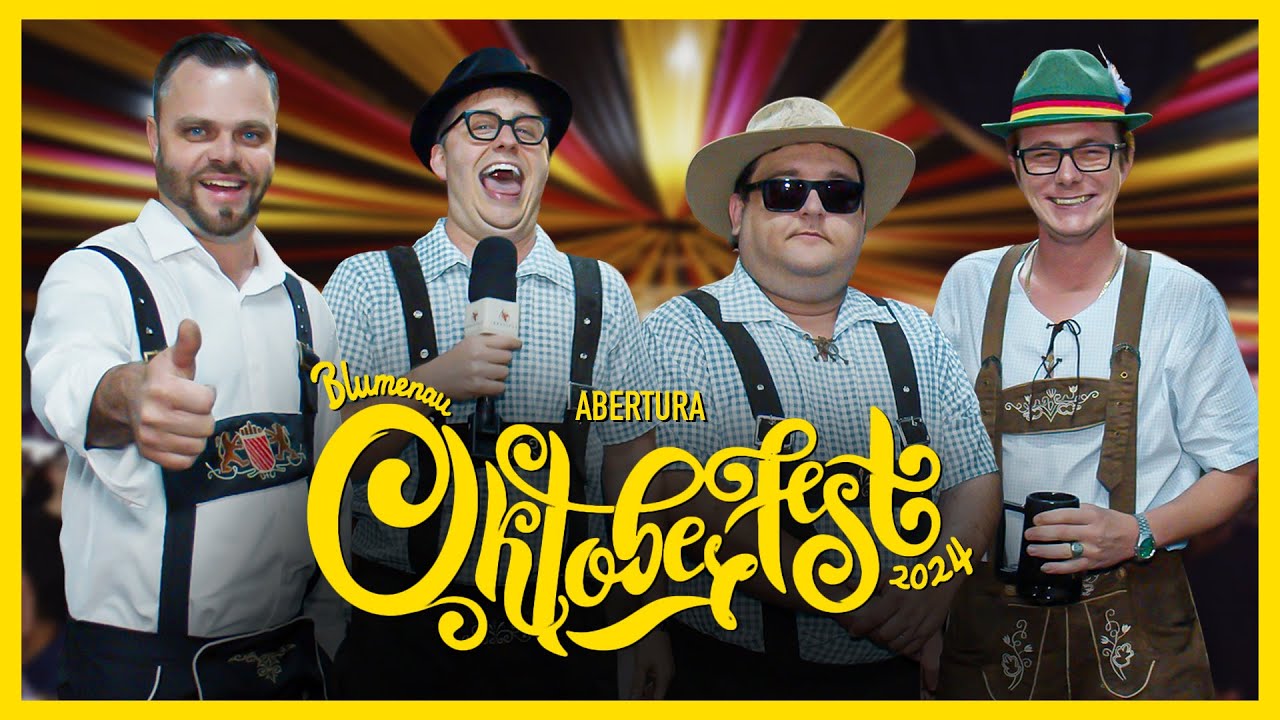
ABERTURA - OKTOBERFEST BLUMENAU 2024
517.7K views
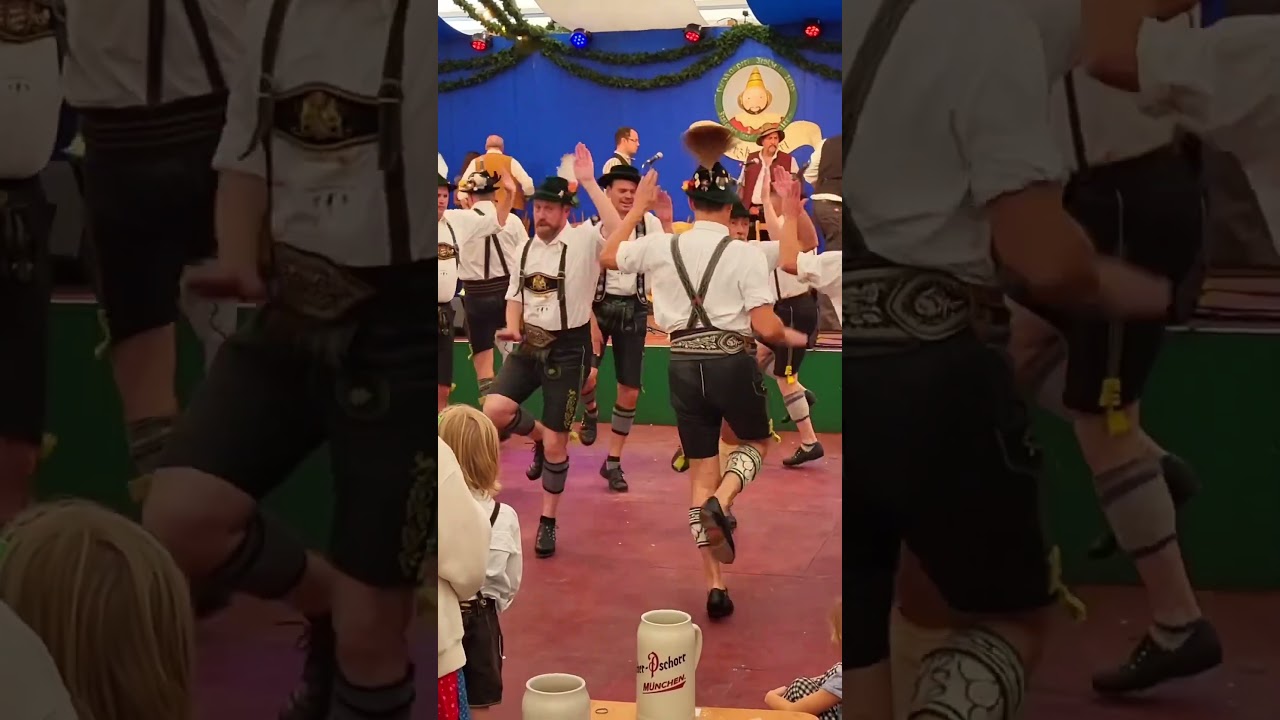
Oktoberfest 2024 #oktoberfest #oktoberfest2024
405.8K views

Oktoberfest Blumenau
108.2K views
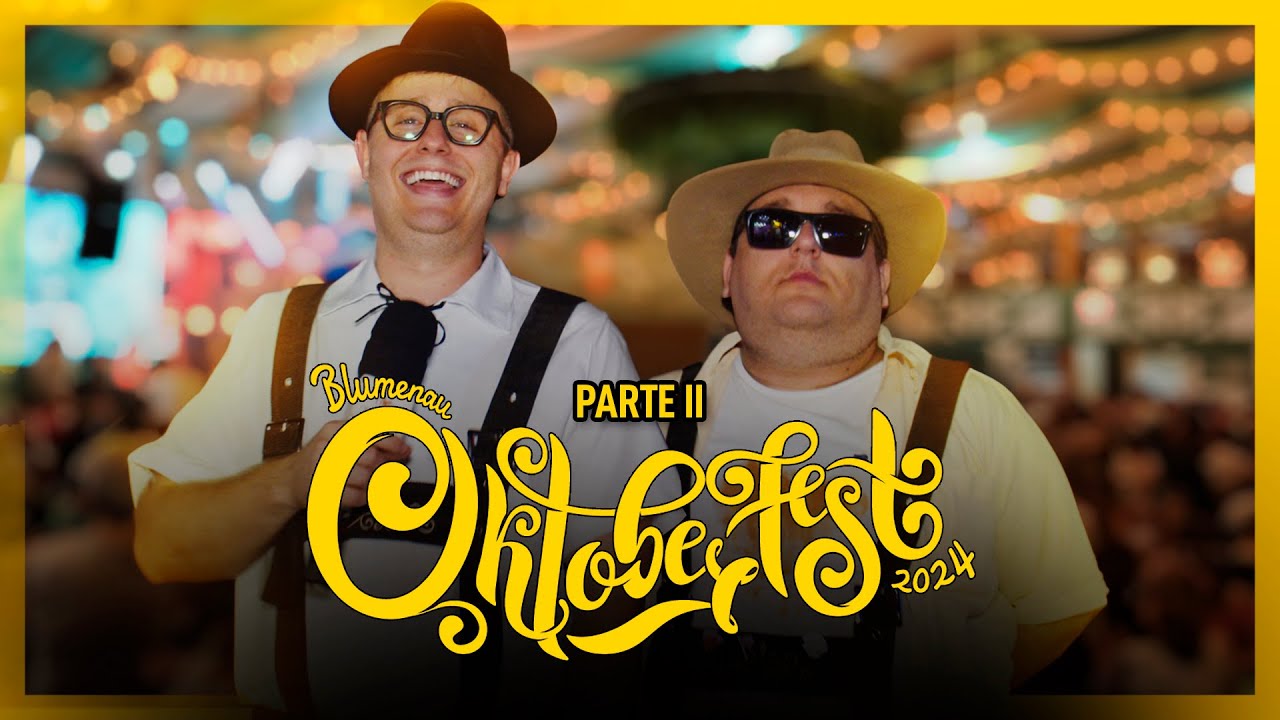
OKTOBERFEST BLUMENAU 2024 (Área externa)
101.8K views

E assim é a maior festa alemã das Américas, gente! #oktoberfestblumenau #oktoberfest #blumenau
94.3K views

Oktoberfest Blumenau Brazil 2023 #brazil #oktoberfest #oktober2023 #blumenau
74.8K views

Oktoberfest Blumenau 2022 - Segundo dia de desfile #oktoberfest #oktober #blumenau
67.4K views

Oktoberfest Blumenau 2024 Agora Santa Catarina
52.4K views

Locopéia no desfile da Oktoberfest Blumenau 2025
47.5K views