Lifestyle
Brazilian Lifestyle
The jeitinho brasileiro, football religion and the art of living well
Understanding Brazilian daily life means understanding the jeitinho brasileiro — roughly translated as 'the Brazilian way.' It is a cultural attitude that finds creative solutions, bends rules gracefully when needed, and approaches problems with warmth and improvisation rather than rigid adherence. The jeitinho is simultaneously Brazil's greatest strength and a source of endless national conversation.
At its core, Brazilian social life revolves around people. Sundays are sacred: millions of families gather for the weekly churrasco, a slow-cooked barbecue that can last from noon until dark. It is less about the food than about the ritual — the father tending the grill, children playing, adults debating football, the afternoon stretching leisurely. Time moves differently in Brazil, and that is considered a feature, not a bug.
Football (futebol) is not just a sport in Brazil; it is a language, a religion, and the great national equalizer. On match days for the national team or major clubs like Flamengo, Corinthians, or Grêmio, the country holds its breath. Streets empty during big games. The 1970 World Cup-winning team with Pelé, Tostão, and Rivelino is memorized by schoolchildren like historical figures. Pelé was not simply an athlete — he was a national symbol.
Music is woven into every aspect of Brazilian life. Forró, the accordion-driven dance music of the Northeast, fills June festivals and university parties alike. Funk carioca, born in the favelas of Rio de Janeiro, is controversial and wildly popular, its beats heard from São Paulo apartments to Bahian beaches. Pagode — a relaxed, percussive samba variant — is the soundtrack of family barbecues and weekend gatherings nationwide.
Brazilians are famously affectionate: two-cheek kisses greet friends and strangers alike in most of the country. Personal space is negotiable. Conversations flow easily with people you've just met. Beaches function as social spaces where people spend entire days — not just swimming, but eating, drinking coconut water, playing volleyball, and watching spectacular sunsets. This capacity for joy in the present moment is perhaps Brazil's most infectious cultural export.
Did You Know?
- ✓Brazil has won the FIFA World Cup 5 times — more than any other country
- ✓São Paulo has the largest Japanese community outside of Japan, over 1.5 million people
- ✓Brazil is the world's largest Catholic country by population
- ✓The capoeira martial art, developed by enslaved Africans, is now a UNESCO Intangible Cultural Heritage
- ✓Brazil has the most plastic surgery procedures per capita of any country in the world
- ✓The Amazon city of Manaus hosts a world-class opera house — Teatro Amazonas — built during the rubber boom
Explore on the Map
Open the Interactive Brazil Map →Featured Videos

Brasil Verde e Amarelo | Minha Vida é Uma Viagem - VOLUME 6
17.2M views

🇧🇷 Danças Brasileiras 🇧🇷 #brasil
16.3M views
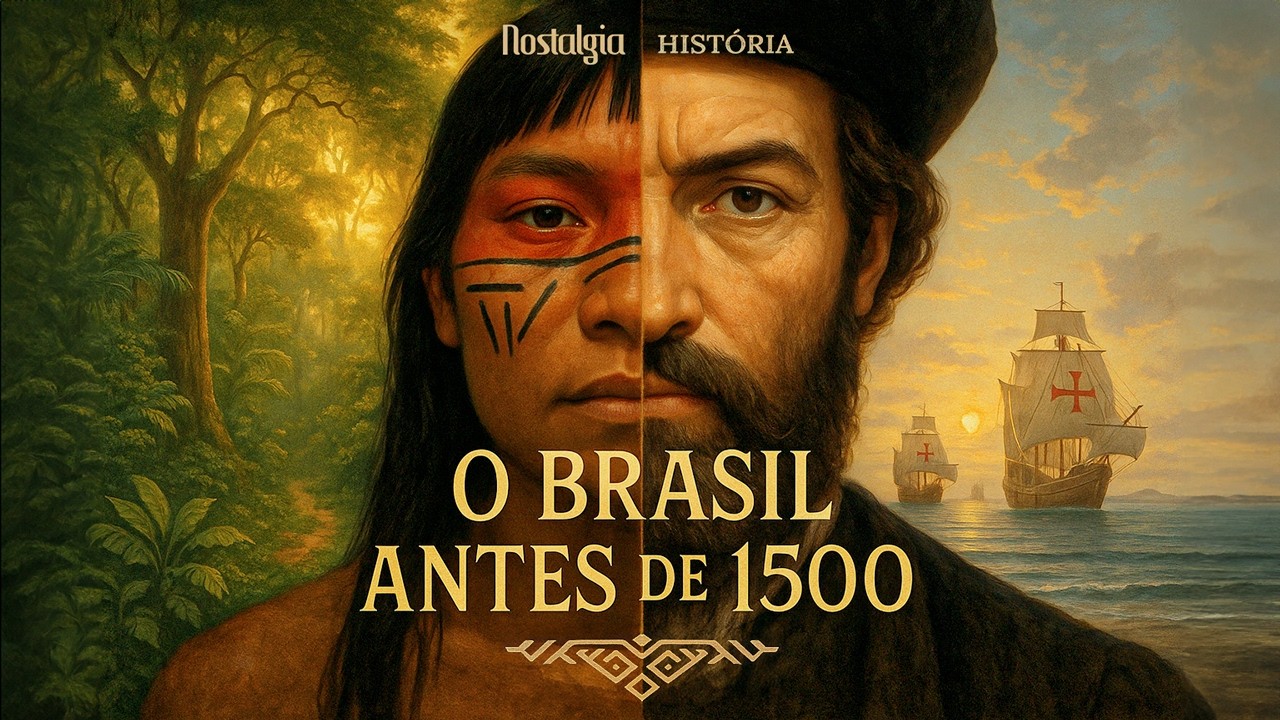
O BRASIL ANTES DE 1500: A HISTÓRIA QUE VOCÊ NUNCA APRENDEU
6.5M views

Chegamos na CIDADE MAIS BARATA do Brasil
5.3M views

DIFERENÇA CULTURA BRASIL E COREIA DO SUL
5.3M views

A cultura Brasileira é a melhor.
4.1M views

COMO É A VIDA numa quase CIDADE FANTASMA do interior do BRASIL
3.7M views
Sobrevivi com um SALÁRIO MÍNIMO no BRASIL 🇧🇷 e nos EUA 🇺🇸
3.4M views

I Spent a Day in Brazil's Most Dangerous Slum
3M views

O que consigo comprar com 1 dia de salário mínimo entre brasil e Portugal #morandofora #portugal
2.8M views

Descobri um Brasil Que Poucos Conhecem – Prepare-se Para Se Surpreender
2.4M views

Como os INDÍGENAS chegaram no BRASIL?
1.9M views