Food & Gastronomy
Food & Gastronomy
A vast culinary landscape shaped by indigenous, African, European and immigrant traditions
← Back to Brazil Vibe


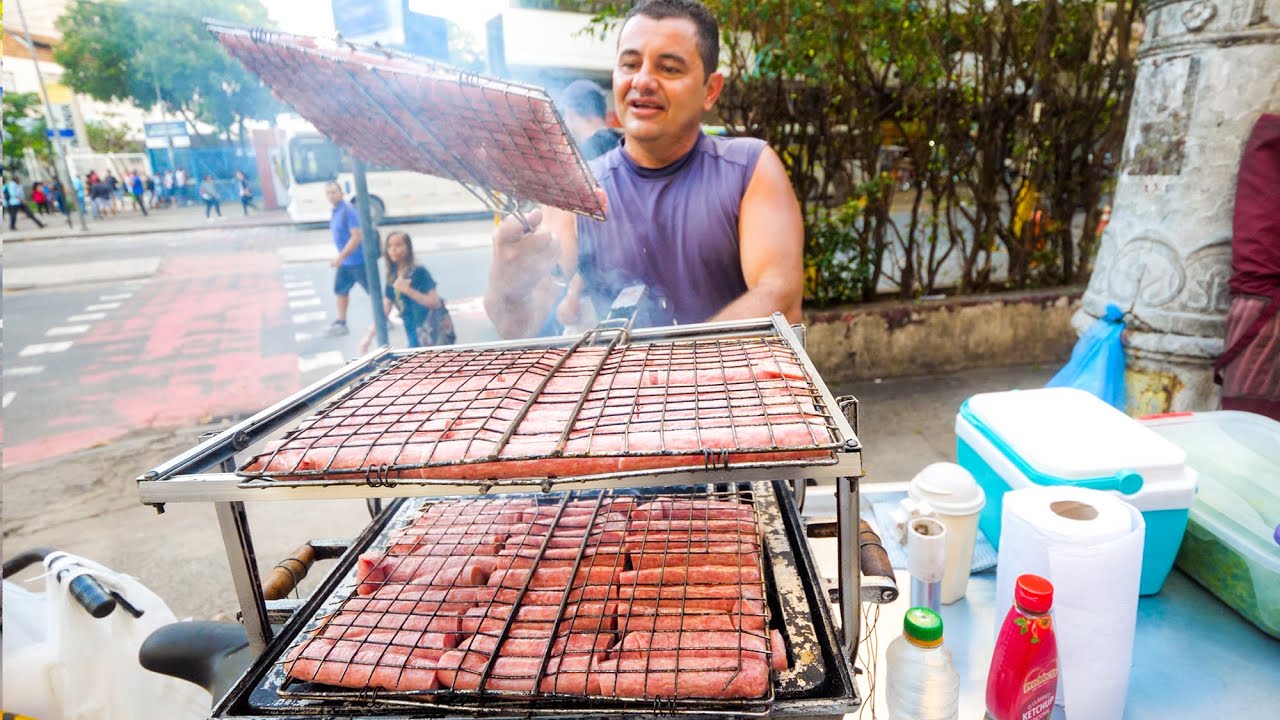

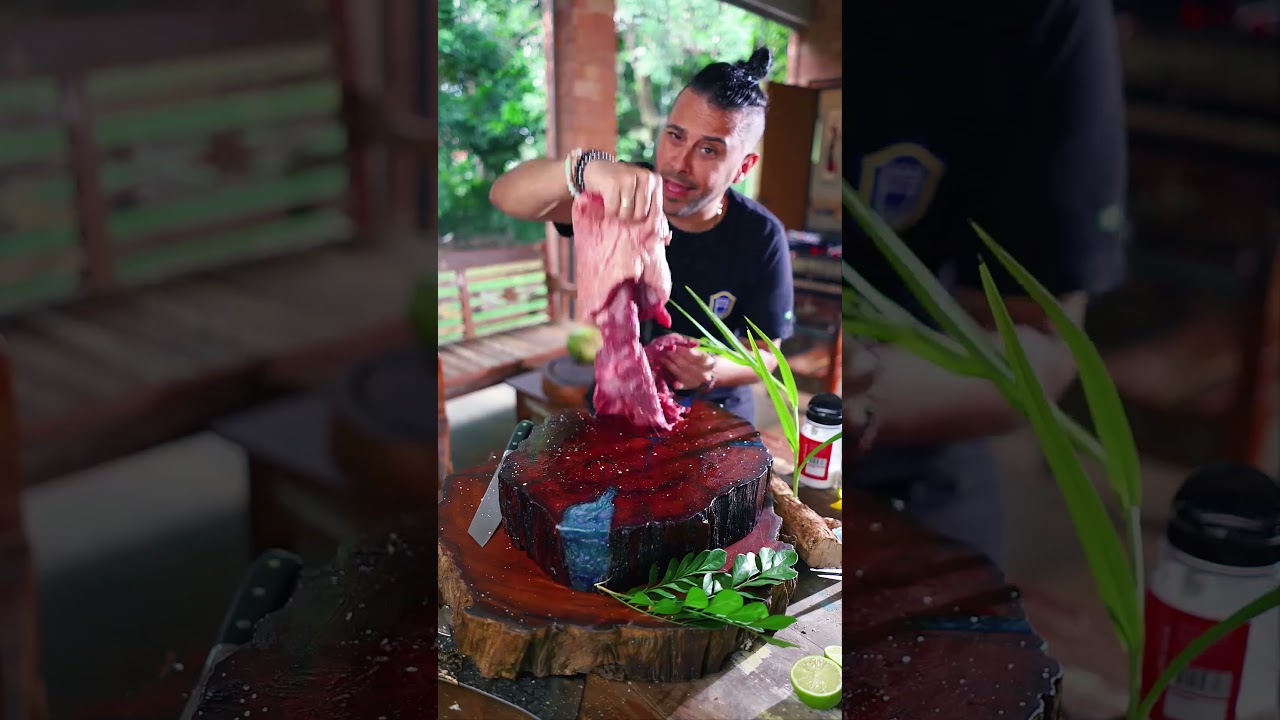


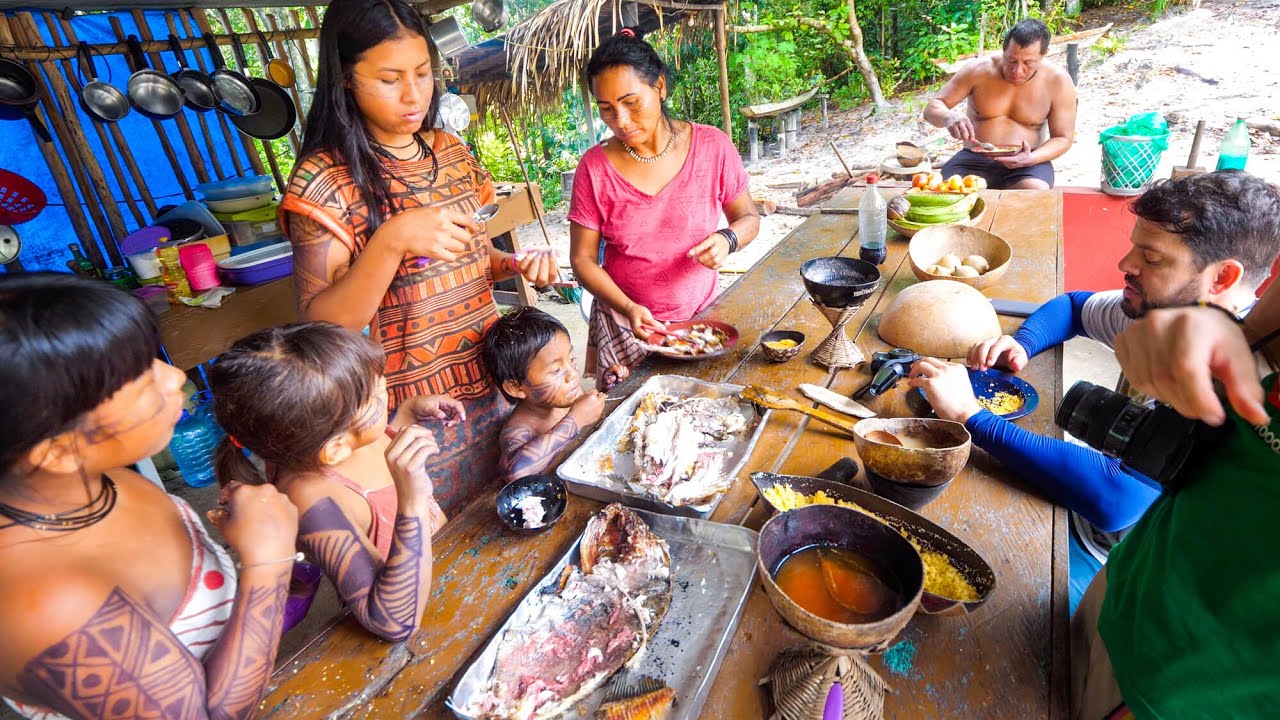
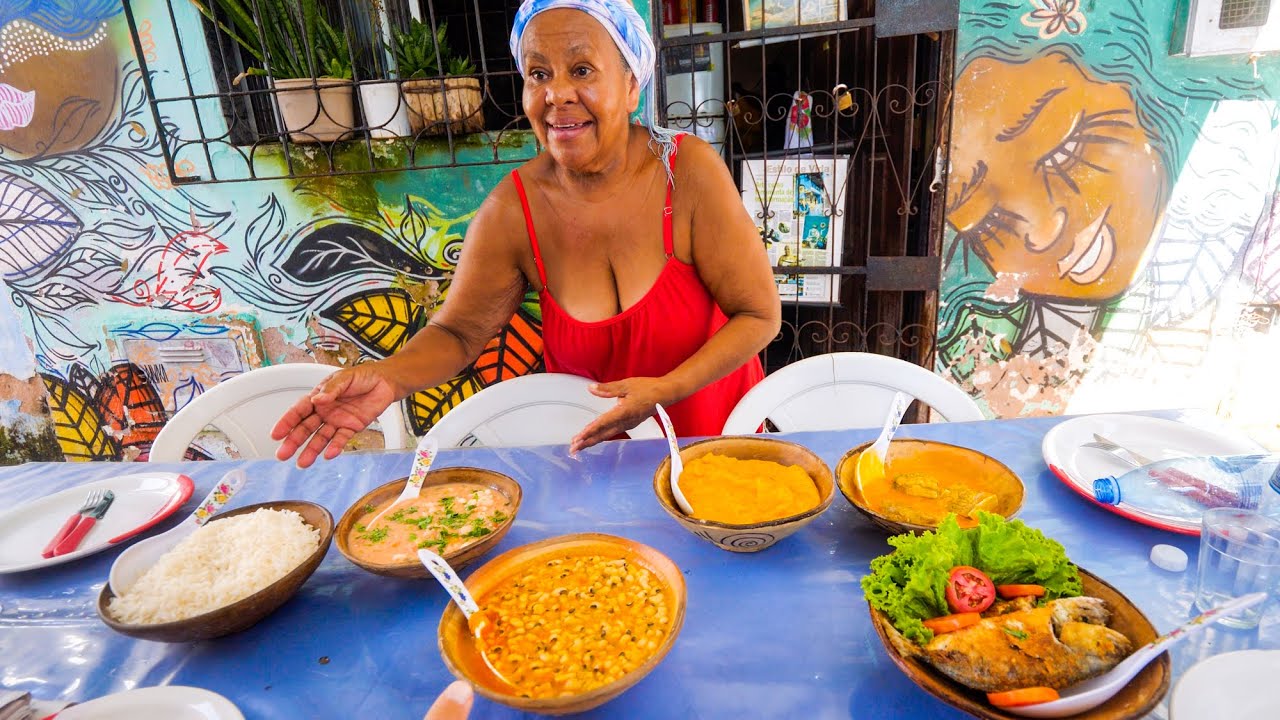
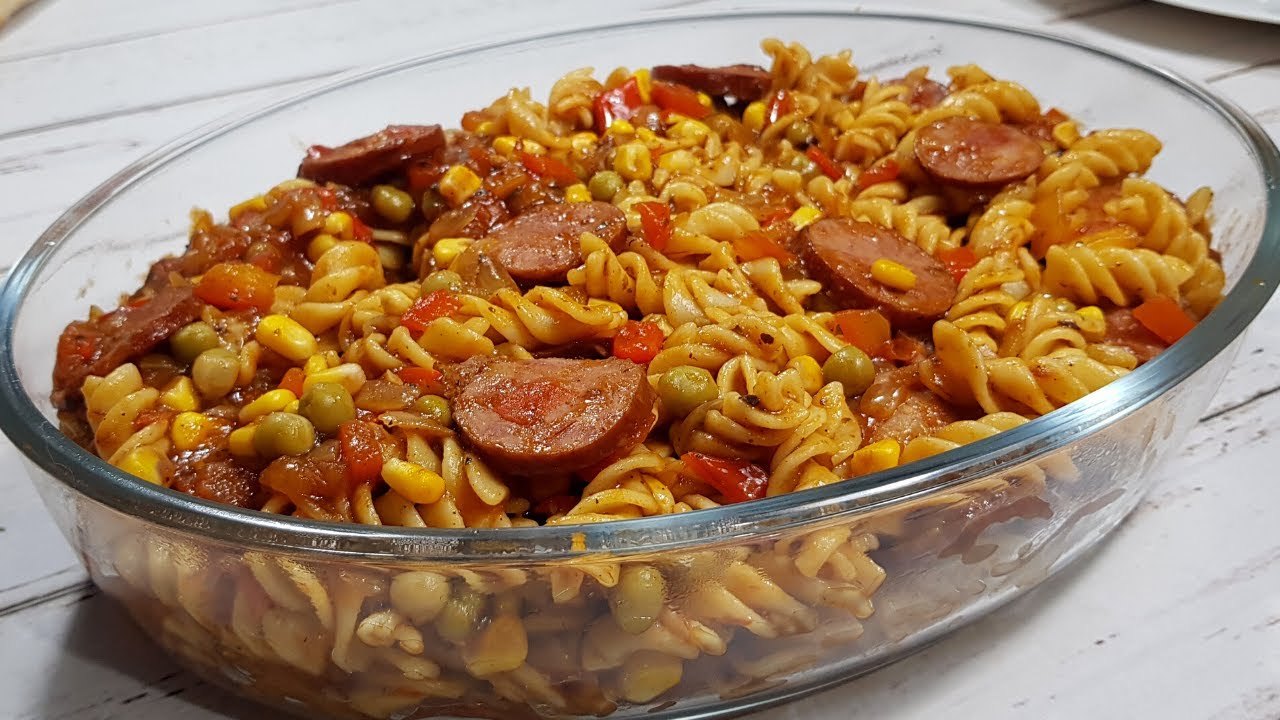

Brazilian cuisine is one of the world's great undiscovered gastronomic traditions — a vast, diverse culinary landscape shaped by indigenous ingredients, African techniques, European recipes, and immigrant influences from Italy, Japan, Lebanon, and Germany. To eat in Brazil is to understand its history.
Feijoada, often called Brazil's national dish, tells this story perfectly. A hearty black bean stew slow-cooked with pork cuts — ears, feet, tail, and cured meats — feijoada evolved from Portuguese and African culinary traditions into a Saturday ritual enjoyed in millions of Brazilian homes. It is served with rice, farofa (toasted cassava flour), couve (sautéed collard greens), and orange slices.
The regional diversity is profound. In Bahia, Afro-Brazilian cooking dominates: moqueca (fish stew cooked in dendê palm oil and coconut milk), acarajé (deep-fried black-eyed pea fritters stuffed with vatapá and dried shrimp), and caruru showcase West African culinary heritage. The Amazon basin offers flavors found nowhere else — pirarucu (one of the world's largest freshwater fish), tucupi (fermented yellow manioc juice), and jambu, a leaf that causes a peculiar tingling numbness in the mouth.
Southern Brazil reflects its European heritage. Gaúchos (cowboys of Rio Grande do Sul) perfected churrasco — the art of slow-grilling meat over wood and charcoal that became Brazil's most exported food tradition. The south also produces exceptional wines, particularly in the Vale dos Vinhedos near Bento Gonçalves, where Italian descendant families have cultivated grapes for over a century.
Street food is Brazil's democratic culinary experience. Pão de queijo (cheese bread made from cassava starch, crispy outside and chewy inside) is beloved nationwide. Coxinha (a teardrop-shaped fried dough filled with shredded chicken) is São Paulo's iconic snack. And cachaça — sugar cane spirit — fuels the caipirinha, Brazil's national cocktail and one of the world's most refreshing drinks.
Did You Know?
- ✓Brazil is the world's largest exporter of beef, orange juice, coffee and sugar
- ✓Açaí, now a global superfood, has been consumed by Amazon communities for thousands of years
- ✓Pão de queijo originated in Minas Gerais during the 18th century, made by enslaved Africans
- ✓Brazil has the world's largest Japanese diaspora outside Japan — Japanese cuisine deeply influenced Brazilian food
- ✓The caipirinha was invented in São Paulo around 1918, originally as a flu remedy
- ✓Brazil produces over 70% of the world's supply of high-quality arabica coffee
Explore on the Map
Open the Interactive Brazil Map →Featured Videos
Esse é o melhor lanche da internet 🔥
79M views
QUAL PONTO VC PREFERE?! 🤔 #receitafacil #receitas #comida
14.1M views
Pagode e Churrasco - 💥 A Festa Começa Aqui 💥 - As Melhores (Vídeo Oficial)
8.8M views
Street Food in Brazil - RIO DE JANEIRO Brazilian Food + Attractions in Rio, Brazil!
8.5M views
As Melhores do Pagode, Verão e Churrasco - 2026 (Vídeo Oficial)
7.9M views
FIZ UM CHURRASCO COM MENOS DE R$60
7M views
Um chefe de restaurante chinês me ensinou o segredo desse macarrão irresistível! #receita
6.5M views
EM BUSCA DA MELHOR COMIDA DO BRASIL!!! (Ep.4 - São Paulo)
5.8M views
Village Food in AMAZON RAINFOREST - Lemongrass Ants + EXOTIC Energy Drinks! | Manaus, Brazil!
5.6M views
Afro-Brazilian Street Food - GIANT FOOD TOUR + Boiling Moqueca + Acarajé in Salvador Bahia, Brazil!
5.6M views
ALMOÇO/JANTAR RÁPIDO E FÁCIL PARA SUA FAMÍLIA! Receita simples e deliciosa!
5.3M views
O CHURRASCO dos GRINGOS...
5.1M views